WEBFLOW DEVELOPMENT
Webflow sites you can own and scale
Most Webflow builds are optimized for launch day. They look right, they ship on time, and then the first real change reveals that nothing underneath was built to be changed. We build the other kind.




THE PROBLEM
The site launched, then nobody could touch it.
The build looked done on launch day. The trouble starts the first time someone needs to change it.
A site you own but can't edit
Every page starts from scratch
A CMS that won’t bend
WHAT WE DO
We build sites to be changed
A Webflow build is straightforward. Building one that's still workable after two years of campaigns, new hires, and content nobody planned for is a different discipline.
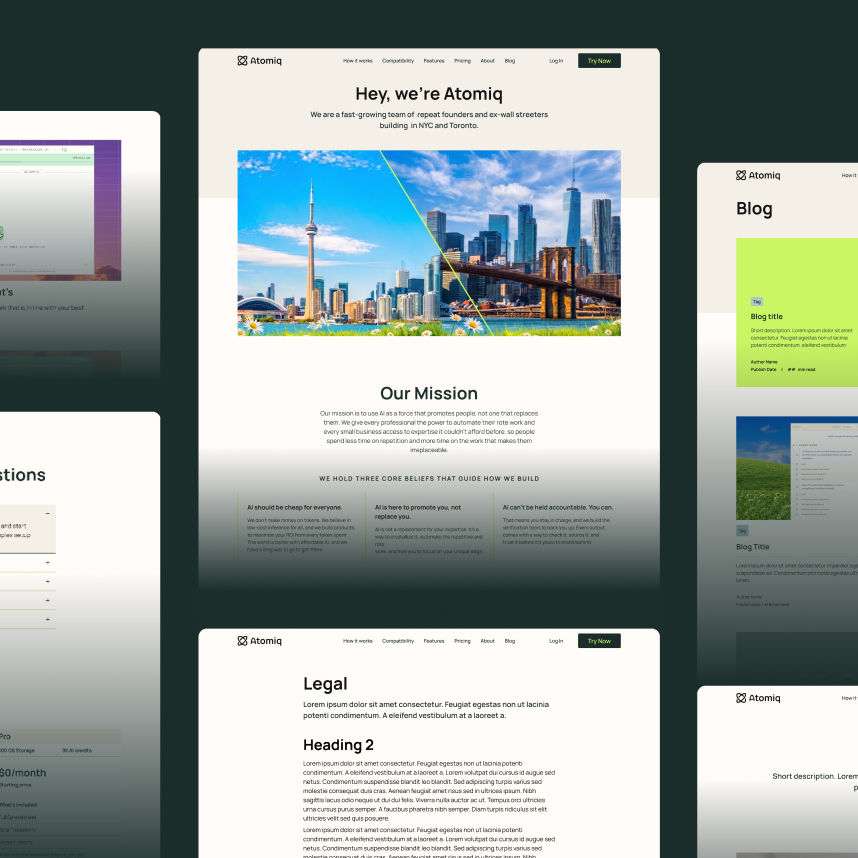
Your team owns and edits
Accountable for the system
CMS that grows with you
DELIVERABLES
What you have at the end of this engagement
The conventions, library, and model that let your team run it without us.
Production Webflow site
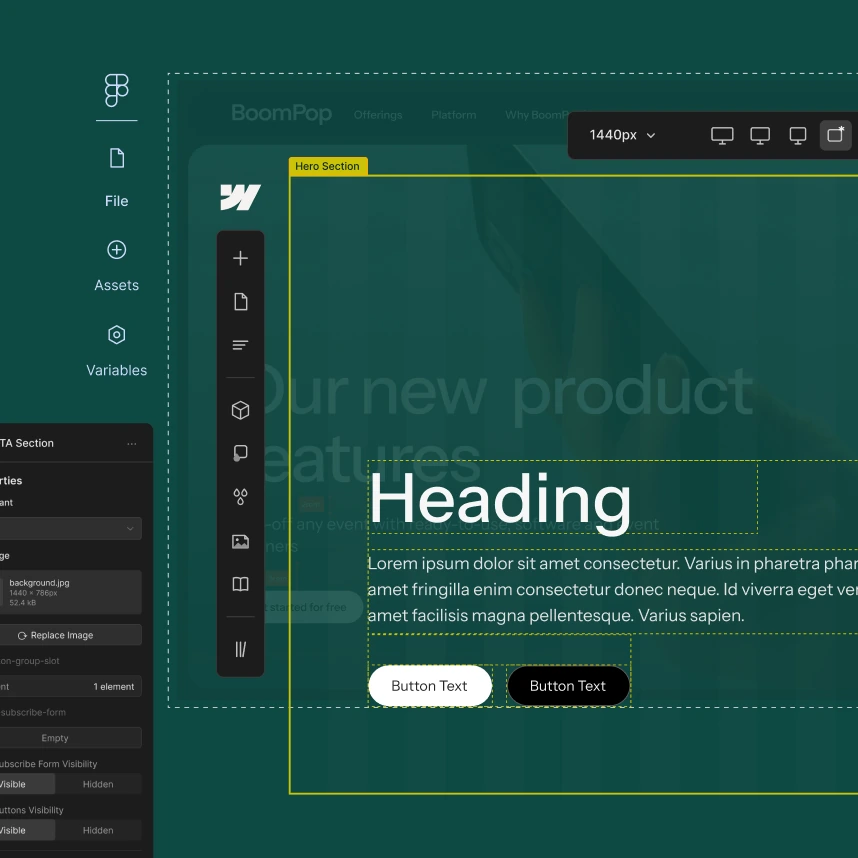
Component libraries
A CMS that bends
Discoverable

Integrations
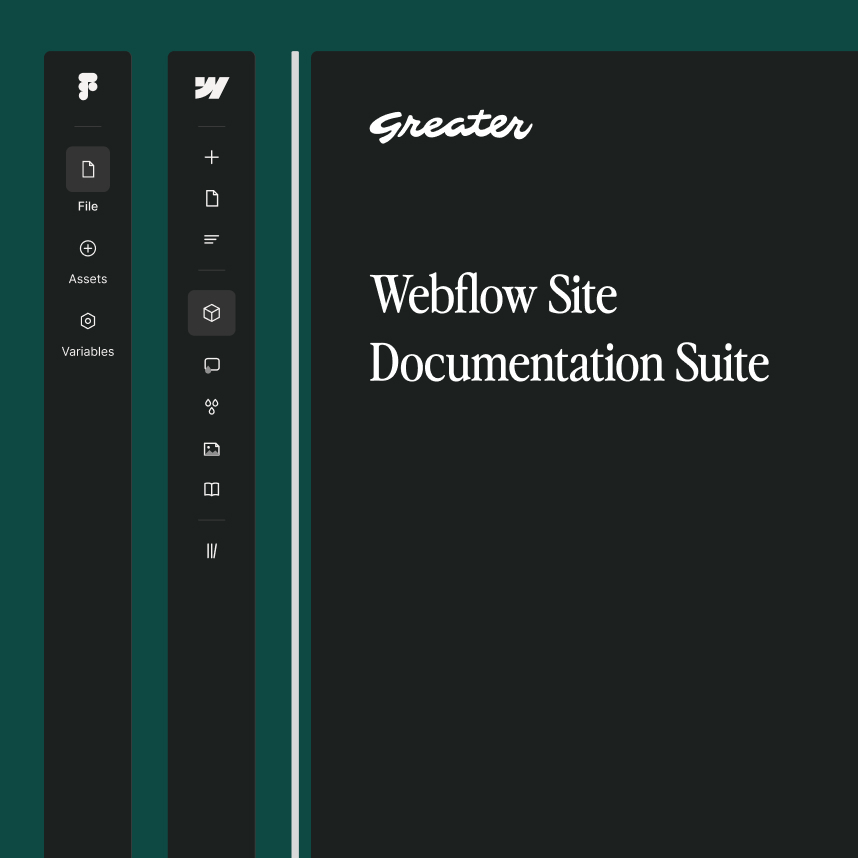
Maintenance model
Our methodology
The build is the middle of the work, not the whole of it
Most of what decides whether a site survives happens before anyone opens the Designer, and after everyone else has gone home.
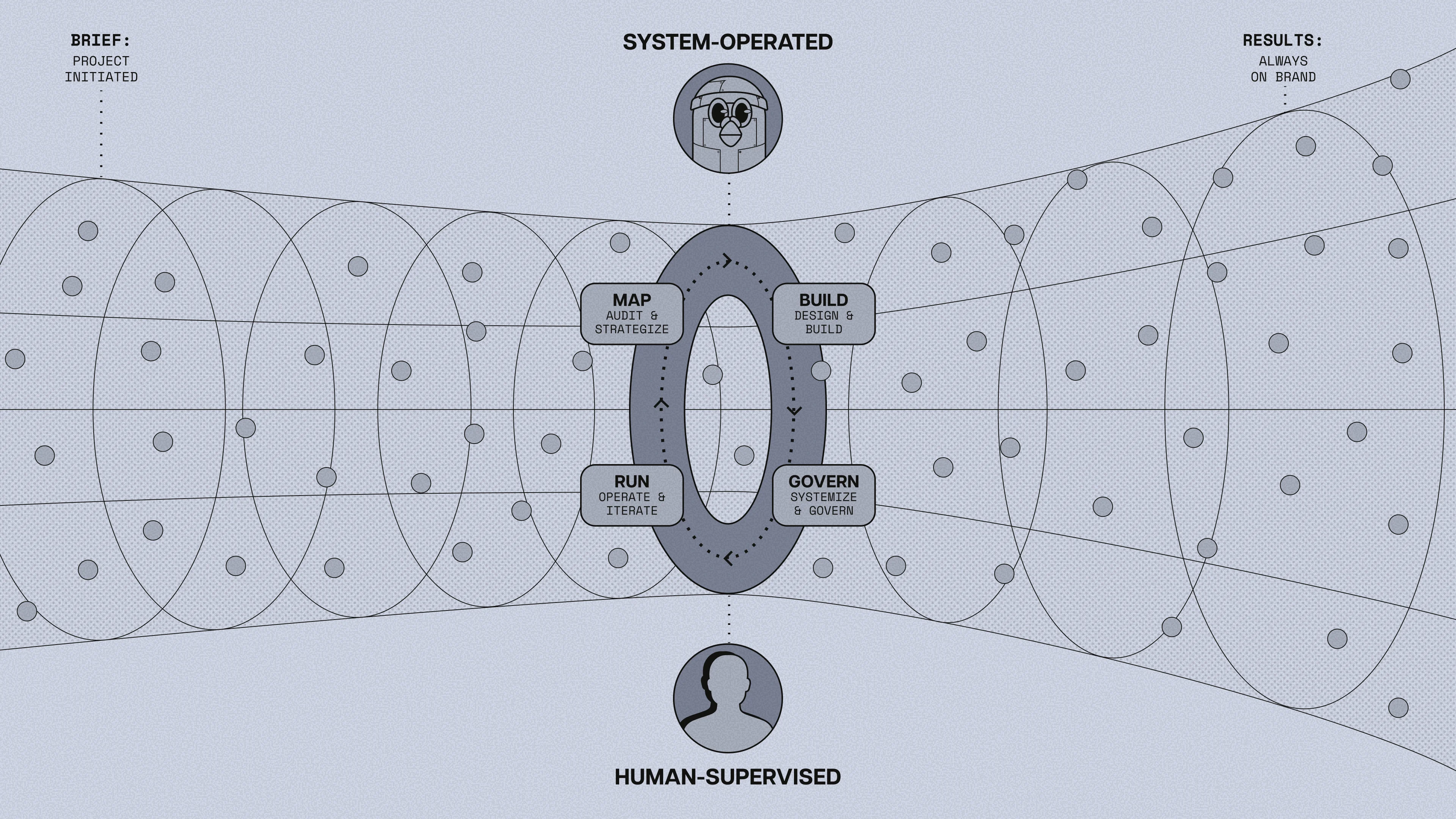

map
Structure before surface
Content model, component boundaries, naming conventions, and the integration map, decided before we decide how it looks.
build
Components first, pages second
Every page is assembled from the library rather than built individually, so the library gets tested against real requirements while we can still change it.
run
Built to keep improving
Your team publishes without help, the library absorbs new patterns, and the site gets measurably better instead of slowly worse. Take it and run it, or keep us operating it.
Case Studies
Explore our work
Explore the sites built to outgrow themselves.



complementary services
Beyond the site, the rest of the system.

MVB


Brand Transformation
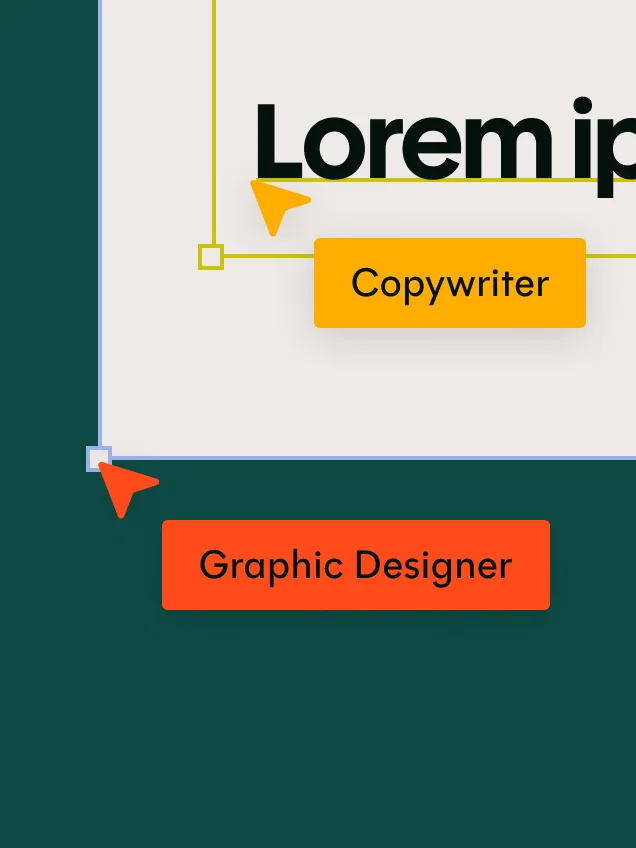
Embedded Brand Team
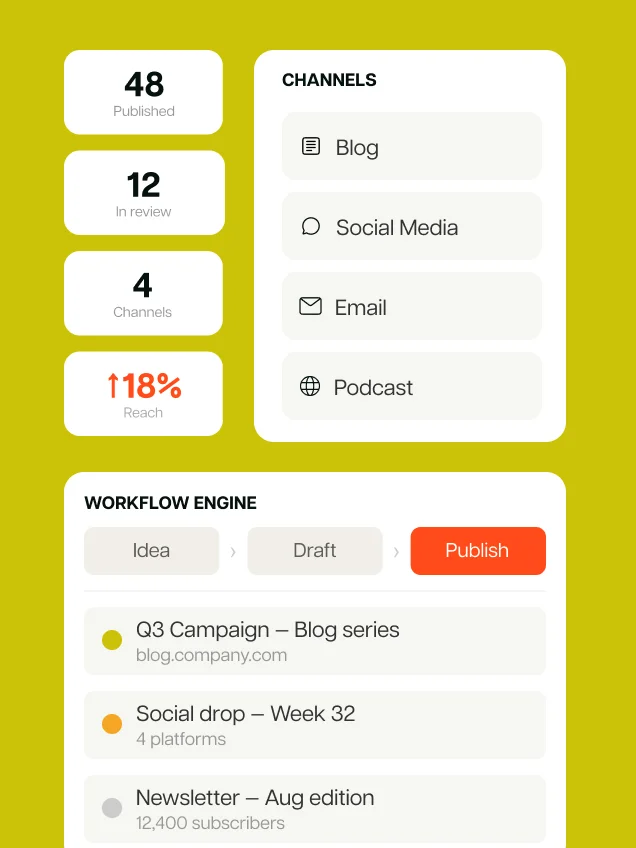
Content OS
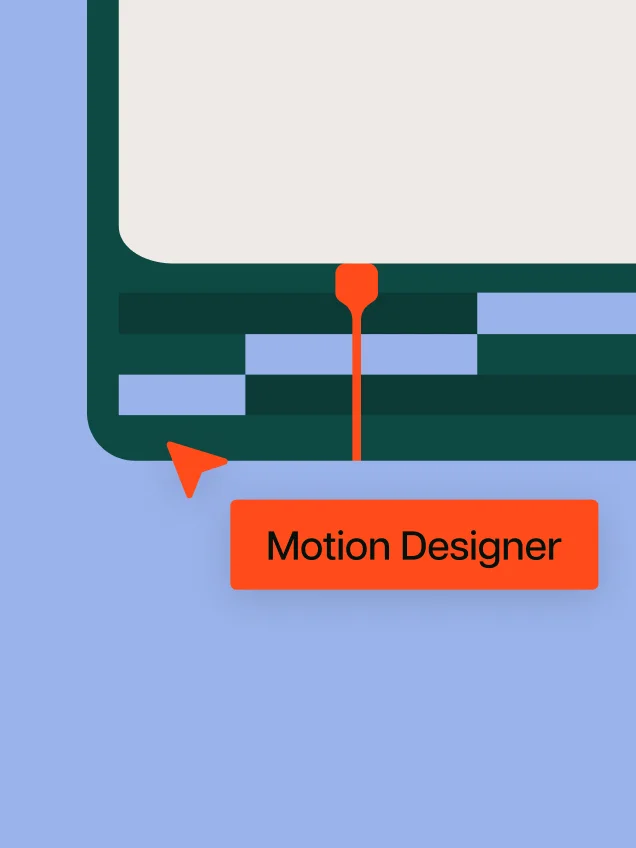
Promotional Videos

Embedded Content Team
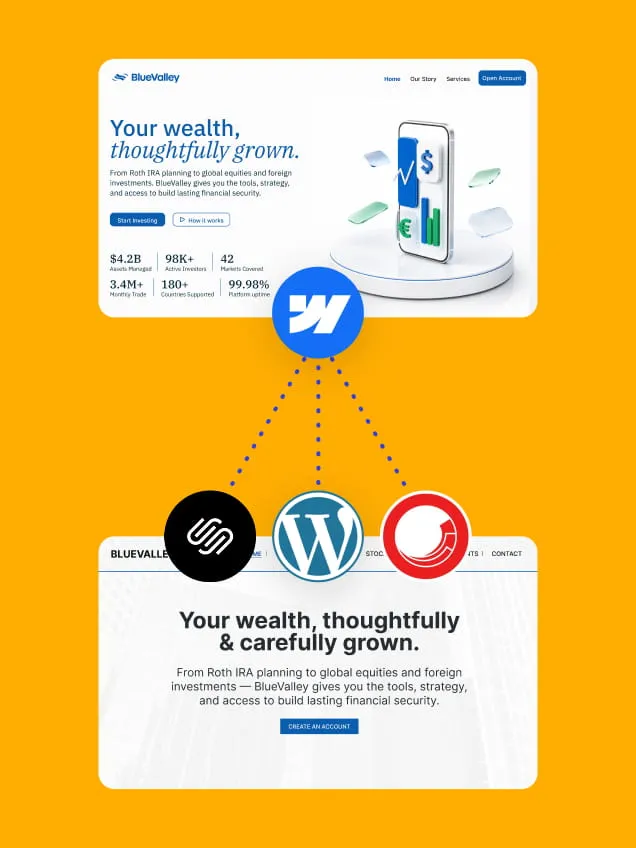
Site Migration
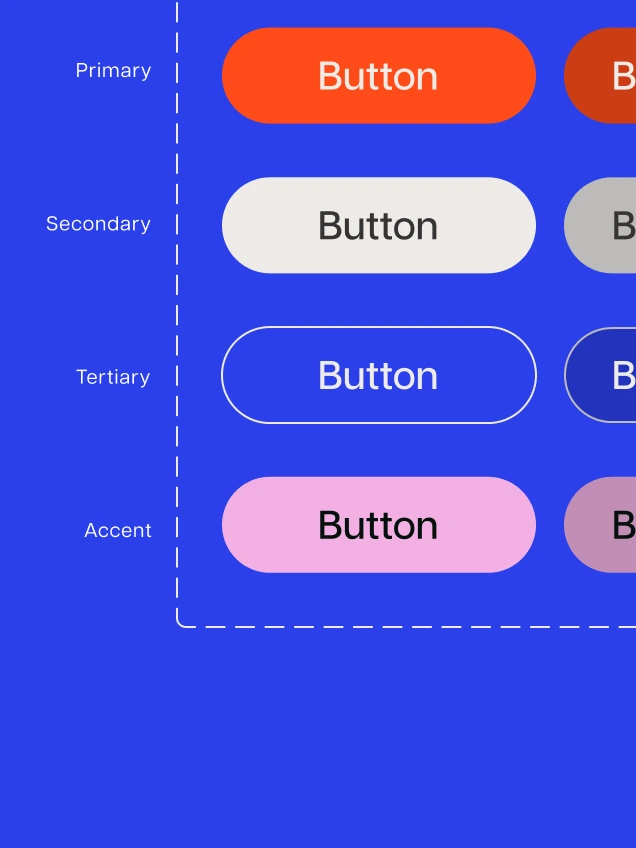
Component Libraries
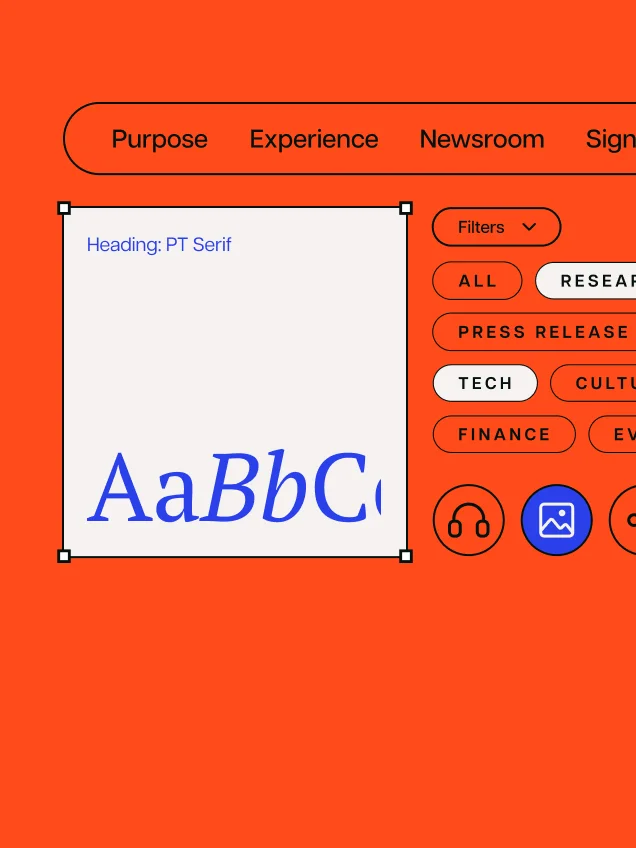
Custom Site

MVP

Transformation Sprint

Embedded Product Team


Webflow development
Sites are never finished, ours included.
A Webflow build should keep improving after handover. Our Sitelog tracks how we maintain, refine, and extend this very site week to week. A live preview of how we'd operate yours.
Frequently Asked Questions
Most retainers price availability in hours and measure delivery in tickets closed. That's a reasonable way to buy support and a poor way to keep a site healthy, because nothing in the arrangement makes anyone responsible for whether the site is structurally better than it was. We do the support work too. The difference is that we also produce a quarterly read on the system's condition and treat fixing it as part of the engagement rather than a separate project.
Not in the staff-augmentation sense. If what you need is capacity — a pod that absorbs a volume of tickets and functions as headcount you didn't hire — there are agencies built for that, and some of them are very good at it. We're built around a smaller group that knows your system deeply and is accountable for its condition. Those are different products and it's worth being honest about which one you're shopping for.
That's a legitimate need and we do it. Be aware you'll be paying partly for capability you're not using, and a capacity-focused agency will likely be cheaper. If break-fix is genuinely the whole scope and will stay that way, we'll say so.
It depends on the size of the surface, publishing volume, how many teams and brands are involved, and whether your team operates the system or we do. The largest variable is the state of what exists — maintaining a site built as a system costs less than maintaining one built as a pile of pages, because half the work is otherwise remediation.
Ordinary requests move in days. Anything broken gets triaged the same day. We work in whatever channel your team already uses rather than asking you to file tickets somewhere new. We'll agree response expectations in writing at the start rather than leaving it to goodwill.
Yes, and for most clients that's the point. The system is built so routine pages don't require us. Some clients still prefer we handle everything, which is fine — what matters is that the capability exists, so the choice is yours rather than forced.
A new site is when drift starts, not when it's absent. The first two quarters after launch are when one-off patterns get introduced fastest, because the campaigns start before anyone has established what the system absorbs and what it rejects. Catching that early is far cheaper than correcting it later.
The routine work shrinks and the oversight work grows. Someone has to decide what agents can publish unreviewed, sample what they produce, and adjust as the brand and the site change. That's a governance job, and it's where maintenance is heading. An agency priced by the hour has a structural problem with that shift. We don't.