Component libraries
Build the page, don't file the ticket.
Most sites are built one page at a time and maintained the same way, so every new idea becomes a backlog request. A component library lets your team build without filing a ticket for every update.

Webflow Enterprise Premium Partner

Dribbble Select Top Branding Agency
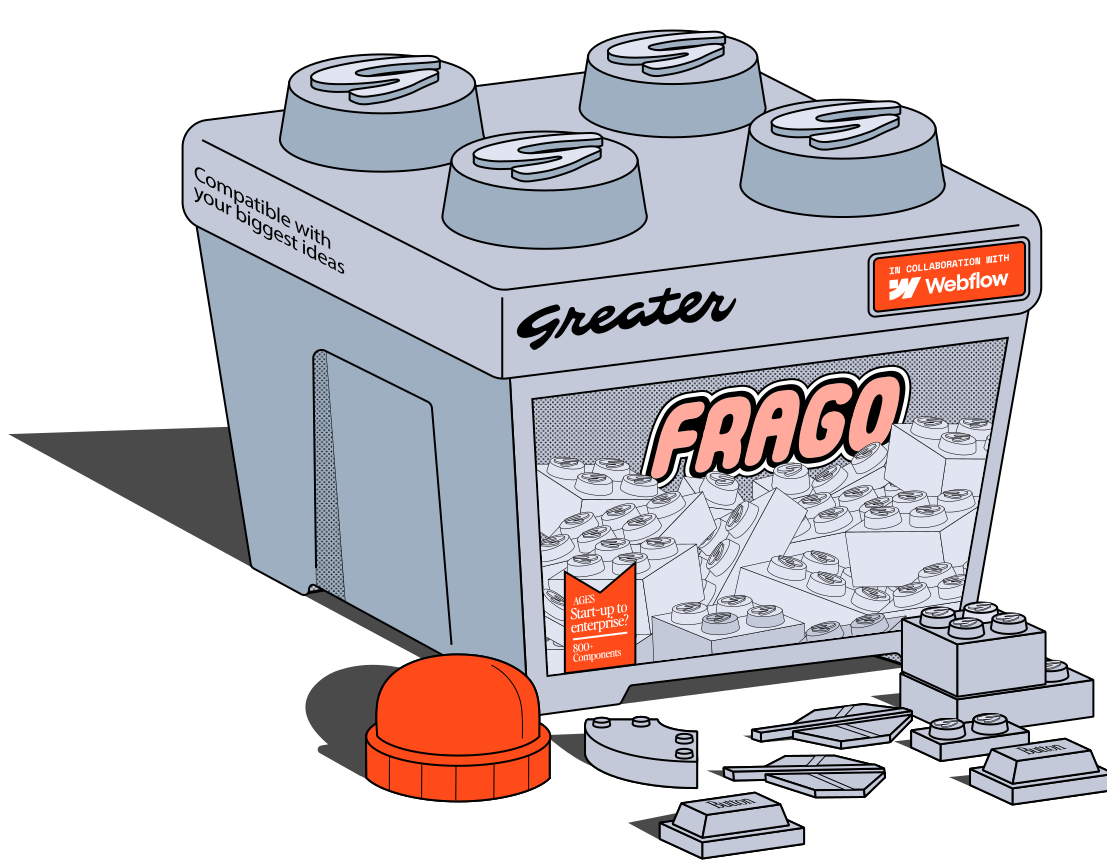
THE PROBLEM
Every page built from scratch is a page you'll build again next year.
Without a system underneath, the work never compounds.
Everything is a duplicate
Each page was built by copying the last one and editing it. Nothing's wrong until changing anything globally means changing it multiple times.
A new page means another ticket
Your marketing team can't produce a page without a developer, so the roadmap is really a queue.
You rebuild because you can't extend
You redesign and pay to rebuild the same patterns, not because the design aged badly, but because there was never anything to extend.
WHAT WE DO
The library that ends the rebuild cycle
We build the components and the rules that govern them, so your site gets easier to change instead of harder.
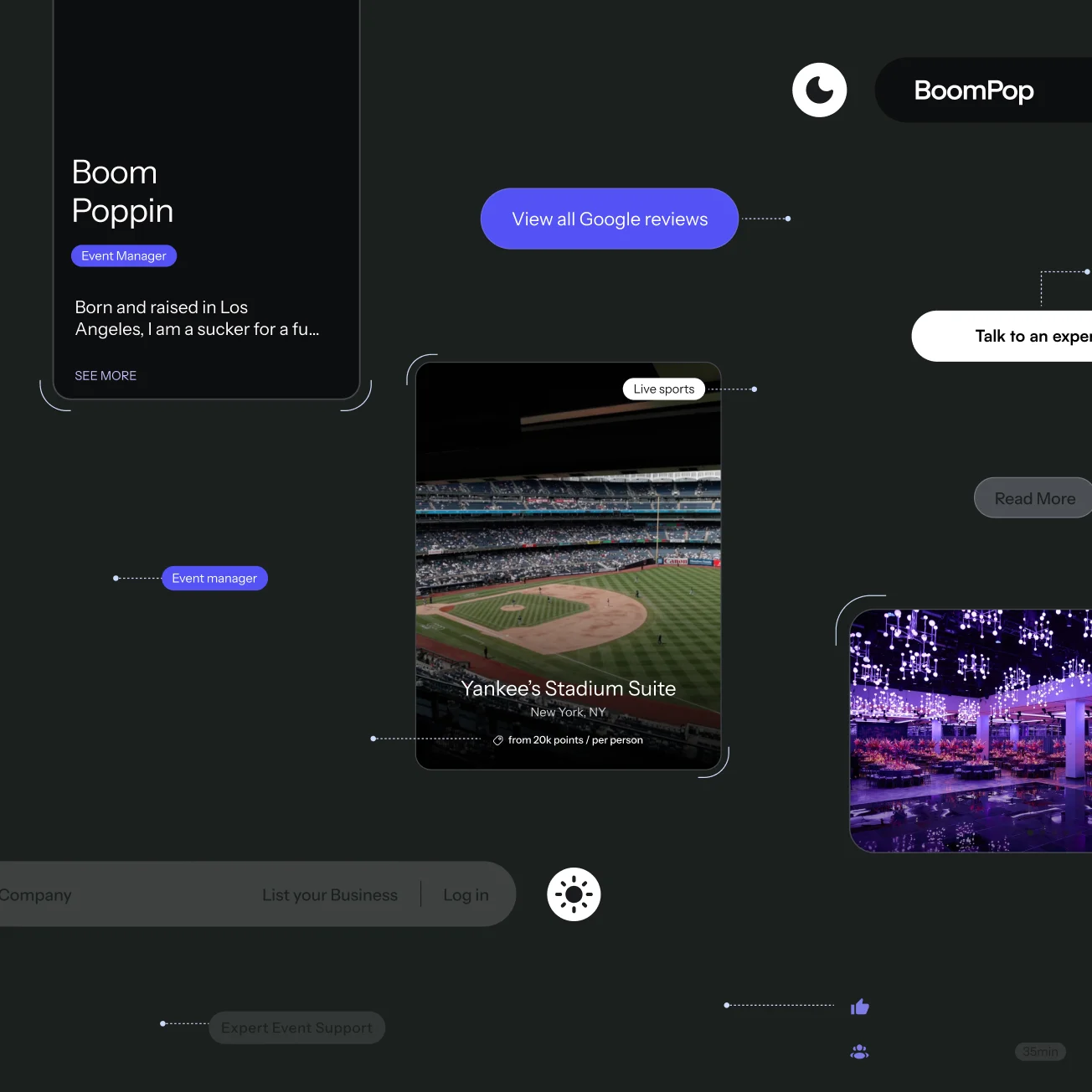
Single changes reflect everywhere
We create components, so global changes happen in one place but update every page that uses them.
New pages without another ticket
We build a library inside set constraints, so your team can assemble a new page without adding a ticket in a queue.
Get off the constant rebuilds
We build libraries that extend the patterns in the system instead of starting over.
DELIVERABLES
What you have after partnering with Greater.
A component library that allows you to build at scale.
Pattern map
A map of the patterns your site already repeats, and which ones are worth keeping.
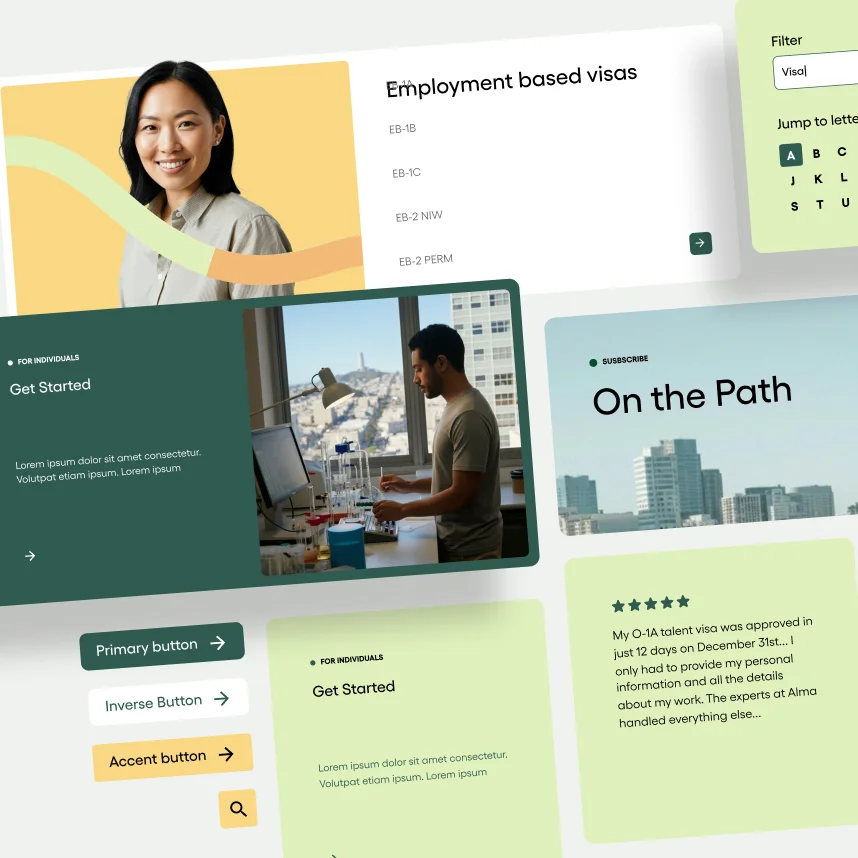
Live component library
A component library live in production, not a design file waiting to be built.
Documented constraints
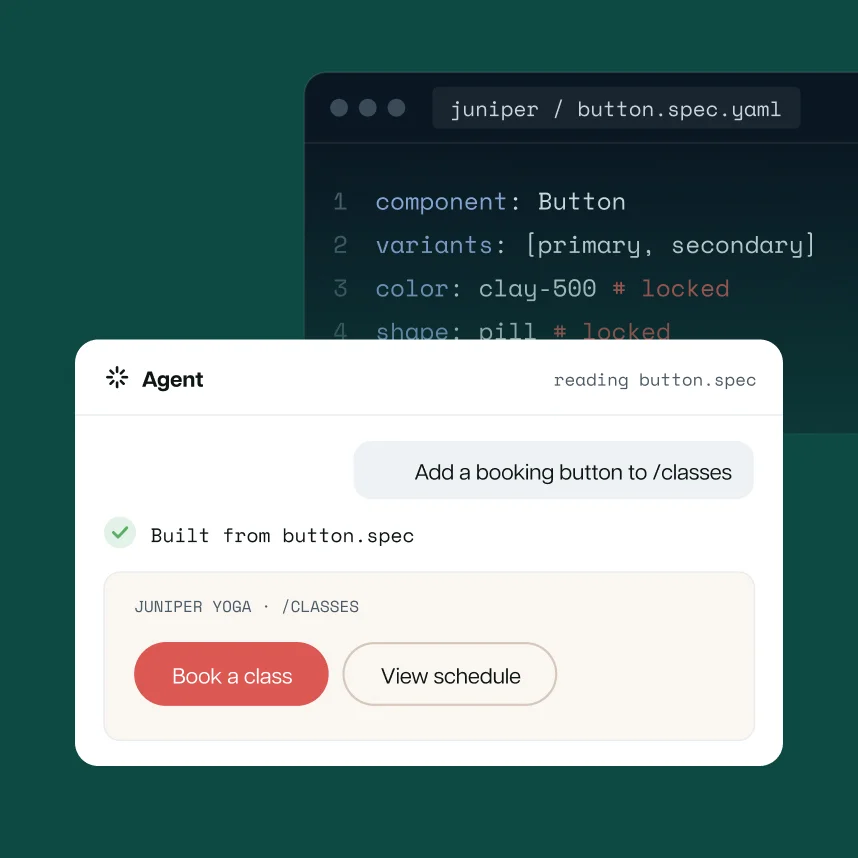
Constraints documented per component: what’s locked, what’s a choice, what’s open.
No-ticket page building
Page assembly your marketing team can do without opening a ticket.
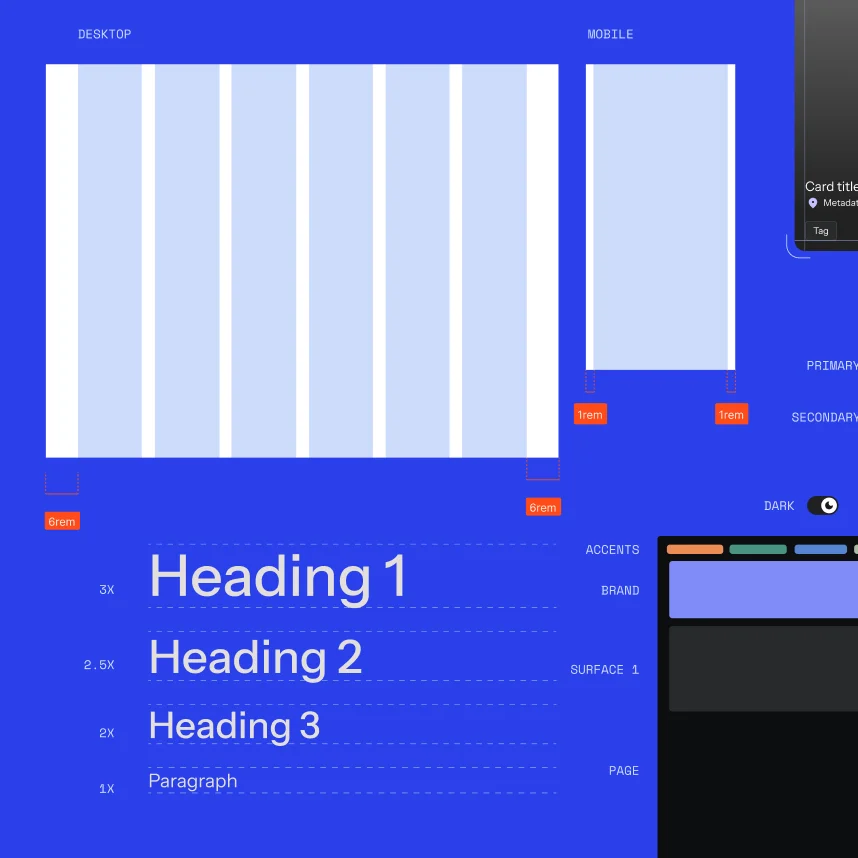
Agent-ready specs
Component specs your agents can build against.
Governance model
A governance model that says who adds what, so the library survives its first year.
OUR METHODOLOGY
How we work
From our first kickoff to project handover, this is how we build you a system that scales.
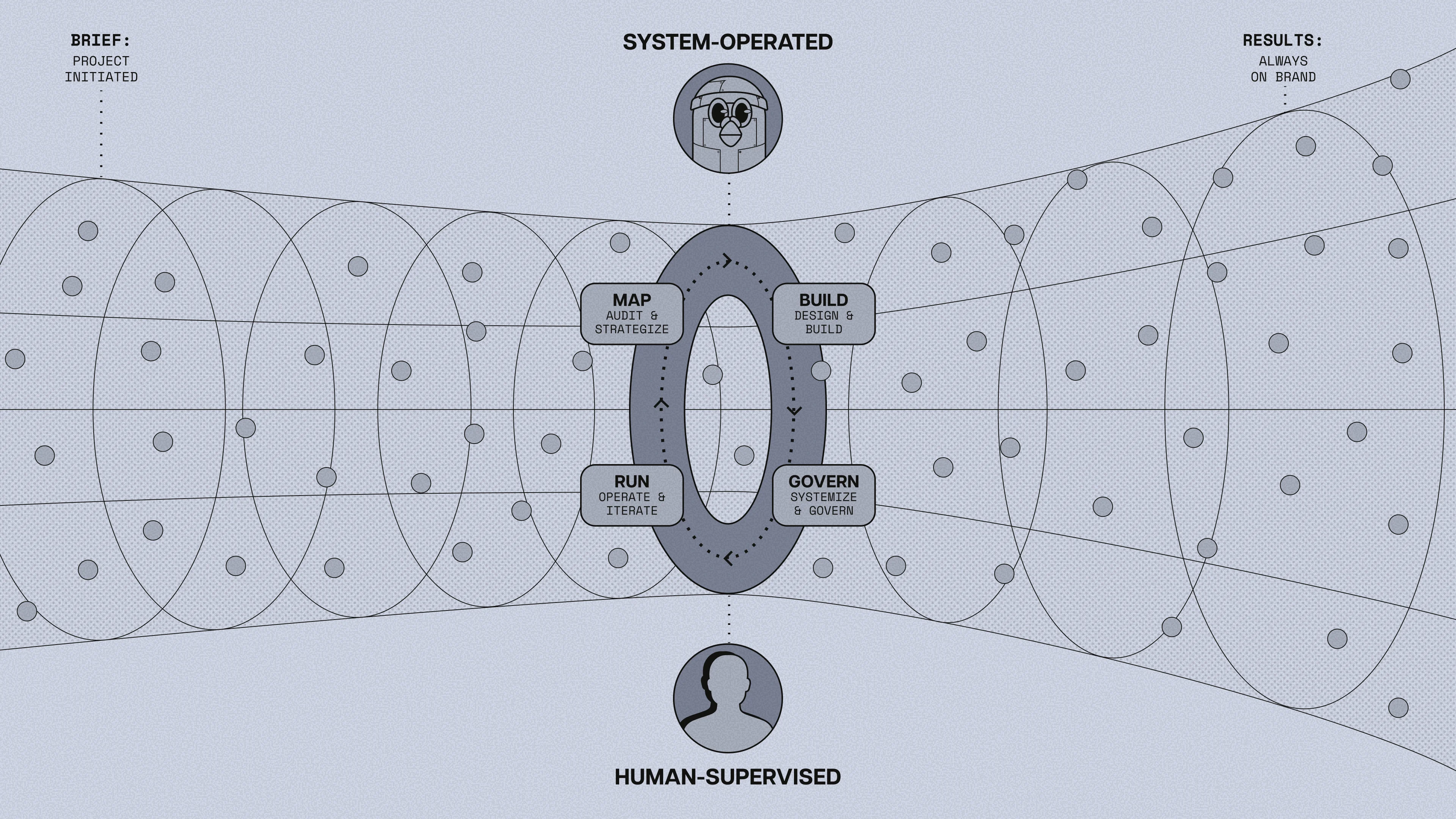

map
The system you already have
We inventory the patterns your site already repeats and decide which are worth keeping, then define what's fixed, flex, and free before building anything.
build
Patterns into components
We build the library in production, in which each pattern becomes a real component with its constraints baked in.
run
Built to survive what's coming
We build the governance alongside the library. Take it and run it yourselves, or keep us on to operate it. Either way, it survives contact with next year's campaigns.
case studies
Explore the sites their teams can actually build on.
Brand, web, content, and the systems underneath, across industries and stages.



Complementary services
Where the library fits in the system.

MVB
The essential brand foundations that allow you to launch fast without looking like you're still in beta.


Brand Transformation
A full strategic rebrand, so everything you put out finally matches where you're headed.
Embedded Brand Team
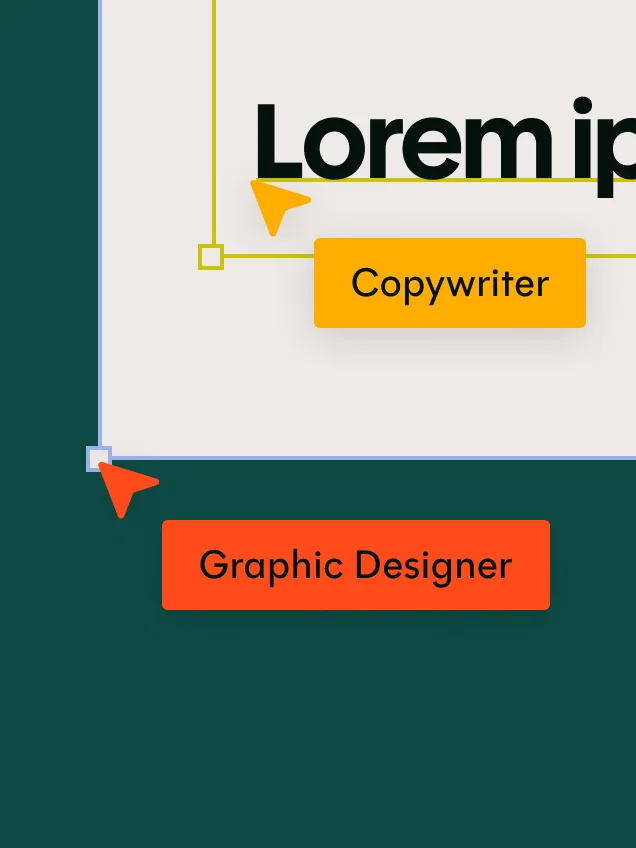
Senior creative talent plugged directly into your team, without the commitment of a full in-house hire.
Content OS
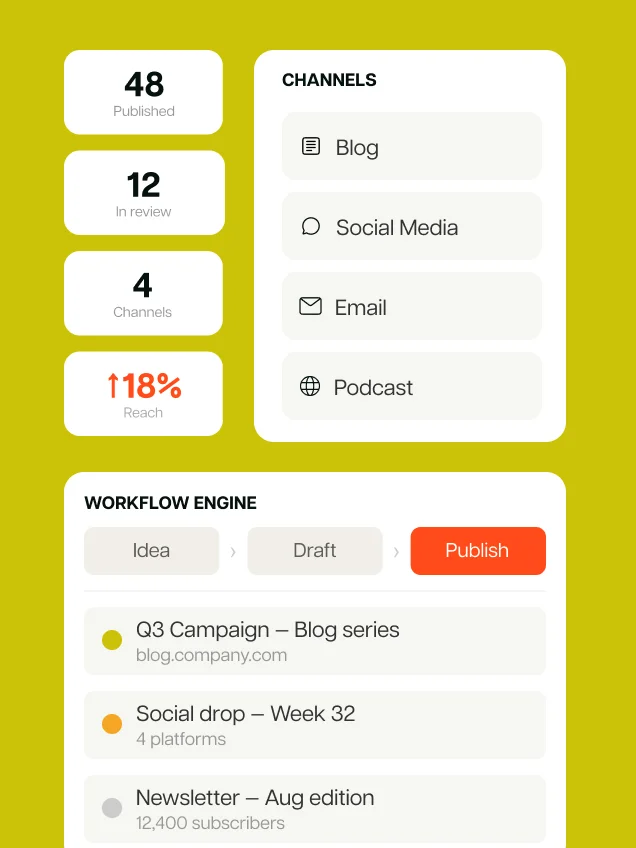
Voice and brand system that allow you to create impactful content that’s on brand, every time.
Promotional Videos
The best ad you'll ever run looks nothing like one. We move your audience from curious to sold.
Embedded Content Team
Dedicated content experts who learn your brand inside out to strategize, plan, and create content that actually connects with your audience.
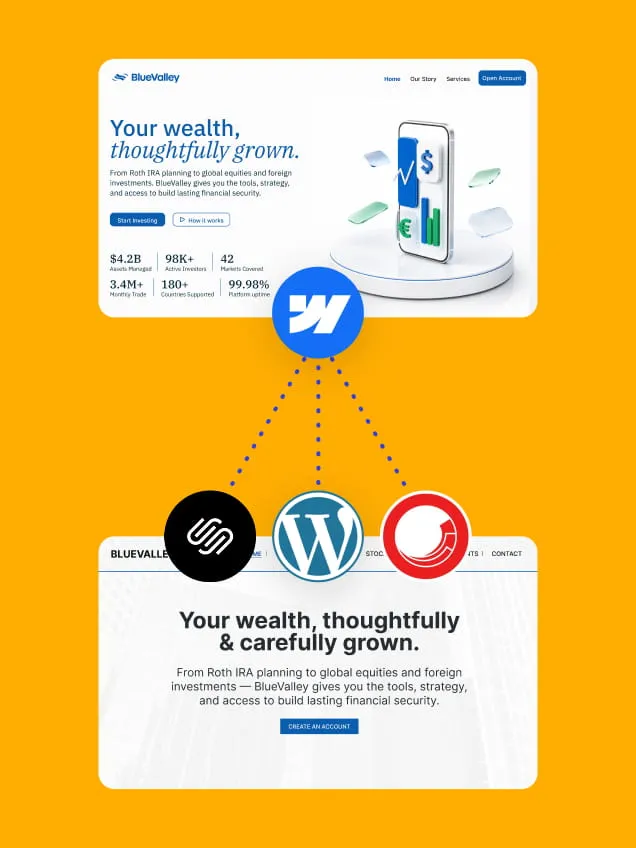
Site Migration
Say goodbye to site paralysis. We not only handle site migration, but ensure your site is set up for your team to make the best use of it from day one.
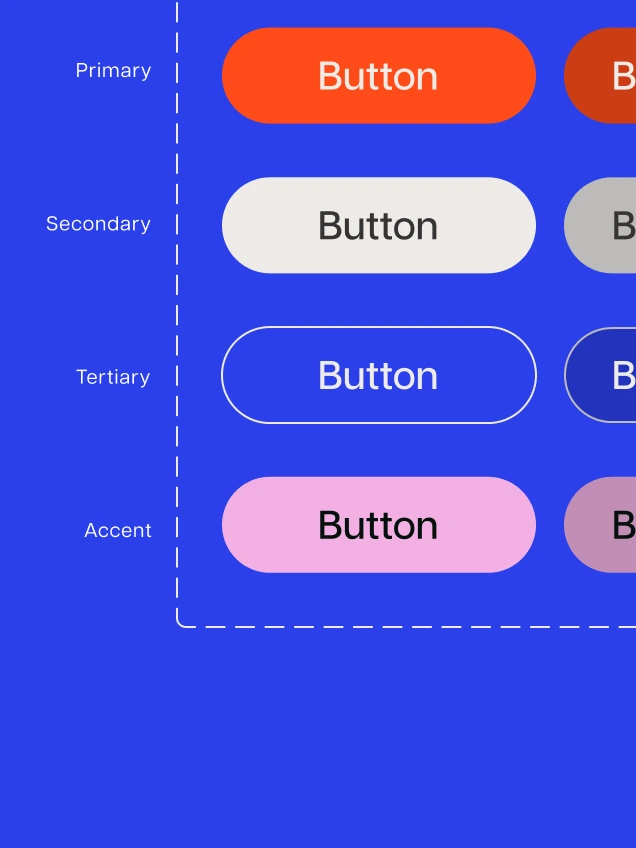
Component Libraries
Scalable component libraries so not only every page and section feels cohesive, but you can scale and iterate quickly.
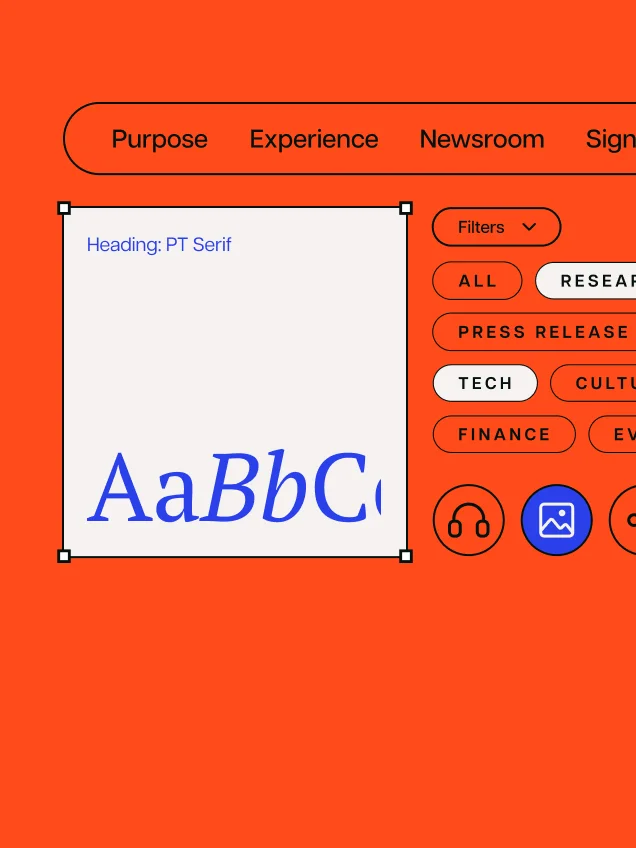
Custom Site
No templates. A site designed and built from scratch for your brand and tailored to the exact experience you want users to have.
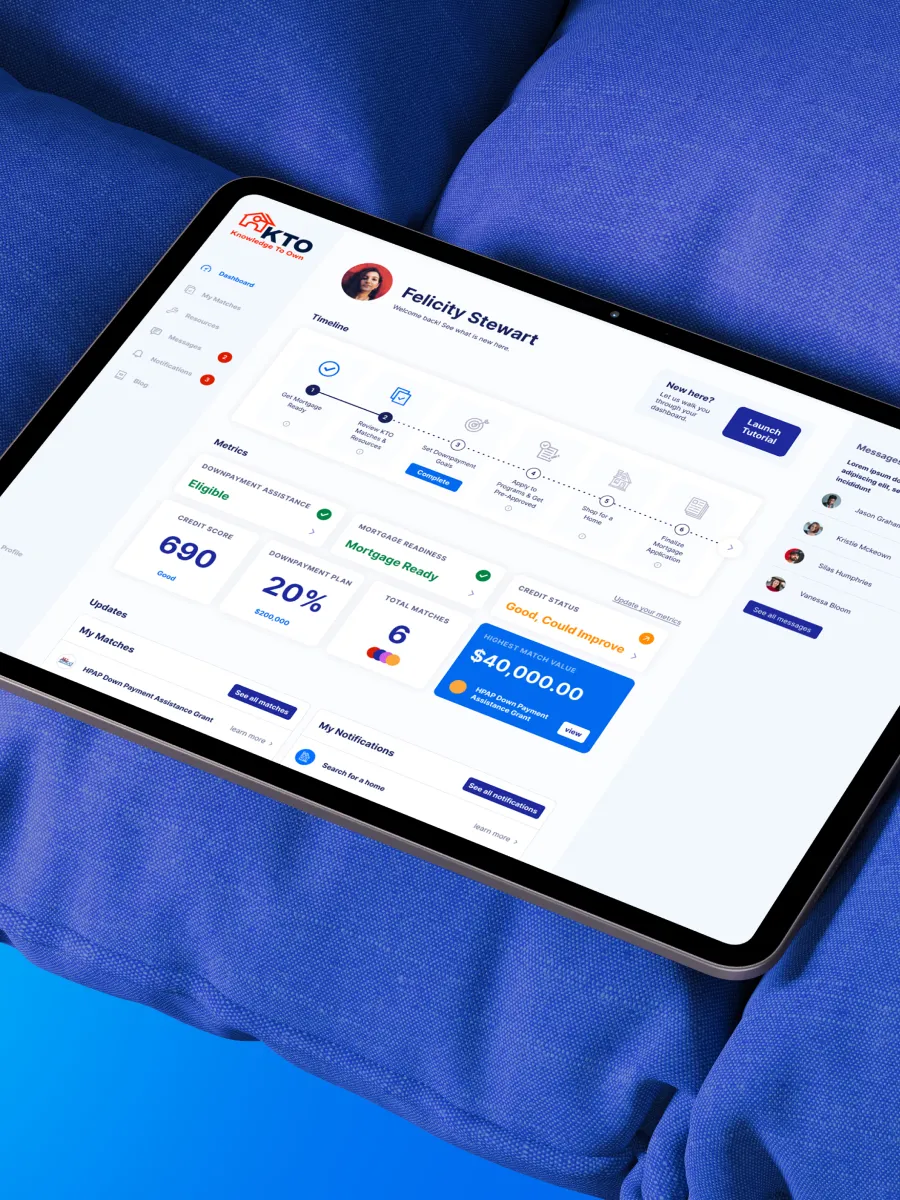
MVP
Ship before you're perfect with a focused, functional product in front of real users, fast.

Transformation Sprint
Intensive workflow that cleans up design systems, sharpens UX, and gets high-impact results with no shortcuts.
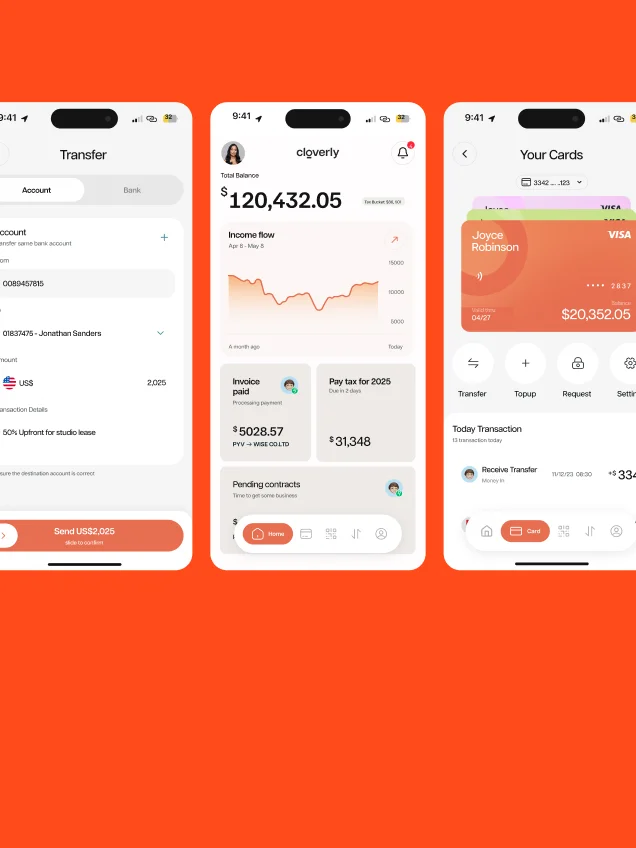
Embedded Product Team
A dedicated design and product partner, integrated into your team, and there to support experience improvements with each iteration.


From our clients [ 1 / 1 ]

"Add the client quote here."
400%
growth in conversions
Component Libraries
Your site already repeats patterns, it just hasn't named them.
Let's find out what your site is already telling you.
Frequently Asked Questions
What's the difference between a design system and a component library?
A design system is the whole governing apparatus — principles, tokens, voice, usage rules, and the process for changing them. A component library is the built, working set of interface pieces that expresses part of it. You can have a component library without a design system, and most teams do. It's usually why the library drifts: there's nothing above it deciding what's allowed.
We don't have a library at all. Where does this start?
With what you've already got. Your site repeats patterns even if nobody has named them, so the first step is inventory rather than invention — we find the layouts doing the most work and build those first. That means you get something usable early instead of waiting for a complete system, and the library matches how your team already builds rather than asking them to learn a new vocabulary.
Do we actually need one?
Possibly not. If you have a small site, a stable design, and nobody waiting to publish, a component library is overhead you'll maintain for no return. The case starts when multiple people need to produce pages, when you're launching campaigns on a cadence, or when you want agents generating work that doesn't need correcting. If none of those are true yet, we'll tell you.
Should we do this during a redesign or after?
During, if you have the choice. Building the library alongside a redesign is cheaper than retrofitting one, because you're making the decisions anyway and there's nothing to retire or renegotiate. Retrofitting is common and entirely doable — it just costs more in agreement than in engineering.
How does this work with AI agents?
Agents can generate pages quickly. Whether that's useful depends on whether they have something to build with. Given a component library with documented constraints, an agent assembles approved pieces within approved bounds, and the output is shippable. Given a blank canvas and a brand PDF, it produces something plausible that a human then rewrites. The library is what turns AI from a drafting tool into a production one.
How long does this take?
Build time depends on how many patterns are worth keeping and how many teams have to agree on them. The larger variable is usually organizational, not technical.
What determines the cost?The size of the surface, what's
The size of the surface, what's already there, and how many teams have to agree. A single-brand site with one marketing team is straightforward. A portfolio with sub-brands, regional variants, and several teams each with their own habits costs more, mostly in the constraint work rather than the build.
Who owns it afterward?
Your choice, and it can change. Some clients take the library and run it, with us auditing periodically. Others would rather we operate it. Both work. What doesn't work is handing over a library with no maintenance model and expecting it to survive contact with next year's campaigns.