research
Article
Why your website redesign will fail (even if the design is perfect)
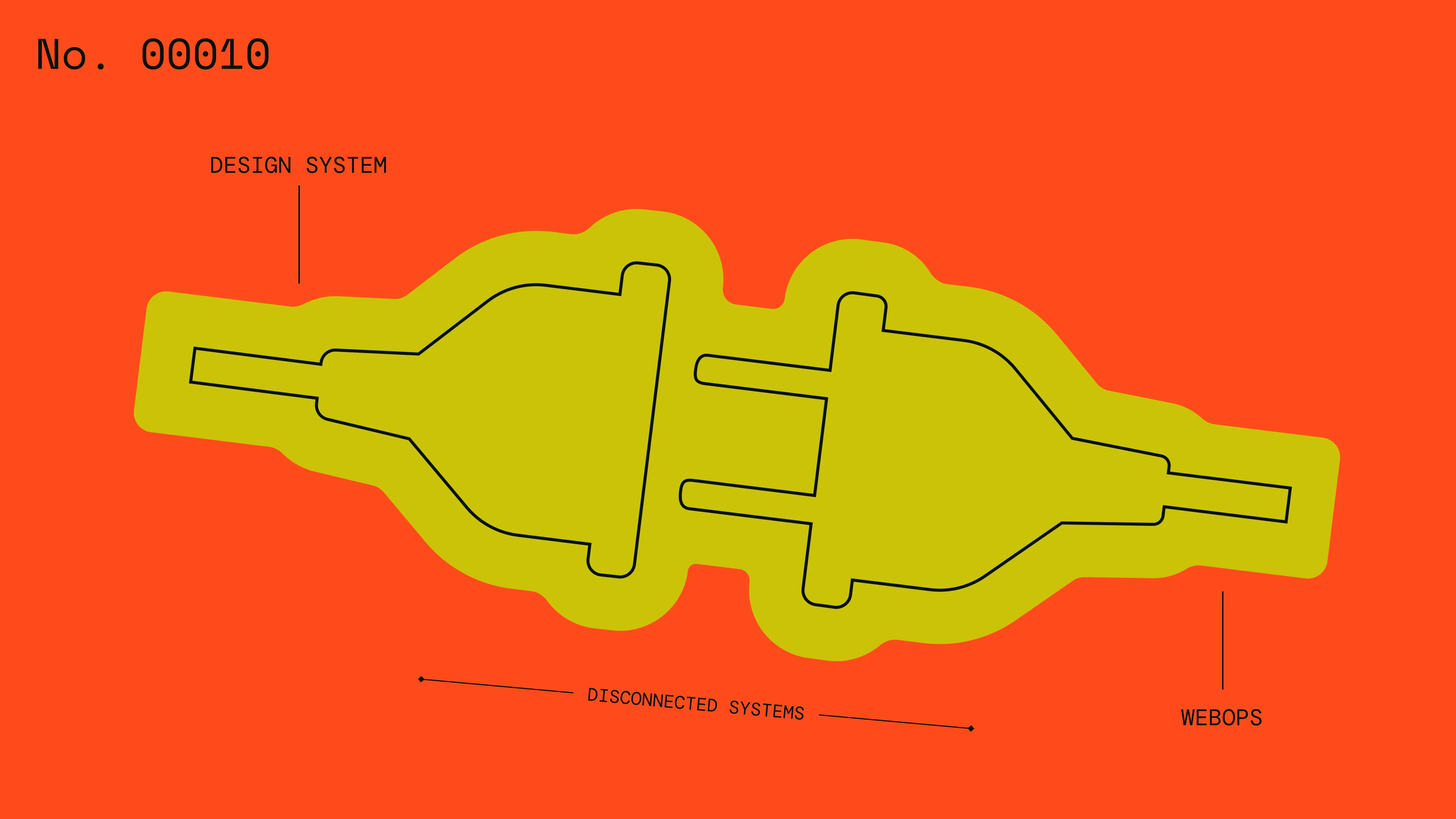
Key takeaways:
- Enterprise redesigns succeed only when design systems integrate seamlessly with business operations, preventing costly misalignment between teams and strategic goals
- Successful rebrands like Affinity and Adobe demonstrate how operational integration transforms visual identity into scalable systems that serve both internal teams and customers
- WebOps strategy, not just aesthetic updates, determines whether your redesign drives growth or creates technical debt and cross-functional friction
At some point in an enterprise organization's life, if it's still standing in 2026, it has undergone a redesign. New logos, fresh colors, revamped website, campaigns announcing a refreshed vision and renewed commitment to growth.
Behind the scenes, these redesigns often coincide with organizational restructuring. Business priorities shift as companies grow. Common motivations for a redesign include:
- Positioning the brand as an industry innovator
- Aligning with the current competitive landscape
- Proving value to buyers during the evaluation process
When this happens, design integration into business operations becomes essential for driving successful redesign initiatives. By embedding structured design processes directly into organizational workflows, companies avoid costly missteps and align user needs with business goals.
Affinity's rebrand following Canva's acquisition exemplifies this approach. In 2025, it relaunched with a new identity that, according to Tom Carey (It's Nice That), Canva's creative director for Europe, solved the complexity faced by other professional tools that are "really complicated, getting more and more corporate, and costly." Relaunching as free software "for creatives, by creatives," the identity reflected the accessibility and creativity that brings users on board.
Adobe's 2020 rebrand centered around an updated wordmark that impacted their entire product suite and strategic positioning. As Sonja Hernandez, Director of Design at Adobe, wrote: "We're making these branding changes to ensure our portfolio continues to be easy for our customers to navigate and understand" (Adobe Blog) The new system included guidelines for redesigning the app icons and introduced the Adobe Lens to strengthen brand recognition across platforms.
When redesigns are siloed from core operations, they often lead to:
- Misaligned priorities: Friction between departmental goals.
- Wasted resources: Inefficiencies stemming from miscommunication.
- Market confusion: Buyers losing track of the core business value.
We just need a new look for our website
Not really. When new business goals drive an identity refresh for an enterprise organization, a website redesign cannot be built in silos.
Websites need scalable design systems that align with organizational operations. Day to day, it's run by designers, developers, and marketers. It's seen by customers whose loyalty you want to keep and prospects who need to know your business provides the best solution to their problem.
At Greater, we work with partners to understand these organizational relationships and how they impact webOps. Here are overarching questions we ask at project start:
- What led to needing a redesign?
- What is your current webOps process? Who's involved?
- What technologies are you using now?
- What problems make your current process difficult to scale?
- What are your goals for the site in this new phase?
Every project introduces its own nuances. Our team works closely to provide our partners with webOps strategies that lessen cross-departmental silos and delays.
A platform we've found successfully provides partners with tech flexibility that supports their growth is Webflow. For our partners, it means:
- Lessening engineering complexity
- Maintaining brand identity with clear design systems and guidelines
- Distributing design and publishing capability to different team members and roles
- Increasing the cadence of publishing pages and content with an easy-to-use CMS
- Easily integrating apps to measure marketing metrics and other site goals
From our client:
"Thank you, guys…you were able to handle this so well. Like, things happen, things move around...it's looking awesome, and I'm so glad it's in Webflow and that we have the right team on it now."
– Emily, Rain
Conclusion
Successful redesigns require seamless integration with business operations to sidestep silos, curb technical debt, and future-proof digital presence.
A website that looks good and functions well is a critical driver of business success. By leveraging platforms like Webflow alongside thoughtful webOps strategies, enterprises can foster collaboration across teams, scale effortlessly with growth, and deliver websites that truly embody their evolving vision while keeping and gaining customers in that journey.

table of contents
Want more like this?
Subscribe to stay in the loop.
More content
Learn about other things on our mind







.svg)