research
Article
MVB: The 6 brand elements every startup needs before launch
Overview
- How Minimum Viable Brand (MVB) applies lean startup principles to brand development, letting you launch with strategic foundations instead of comprehensive systems
- The six essential brand components that create clarity and consistency without overinvestment or perfectionism paralysis
- When MVB makes strategic sense for your business, and when full brand development becomes necessary
- Real advantages of the MVB approach
What is a Minimum Viable Brand (MVB)
A Minimum Viable Brand isn't a shortcut. It's a strategic foundation built for speed and clarity. Think of it as a pared-down version of a brand identity that contains only the essential elements required to launch, test, and gather feedback about your company.
Just as you wouldn't spend years perfecting every product feature before testing with real users, an MVB lets you establish market presence with foundational brand clarity while maintaining flexibility to evolve based on actual customer response. This approach is intentionally incomplete by design. You're not cutting corners, you're applying validated learning to brand development, ensuring every branding decision serves your current stage while supporting future growth.
The six essential components
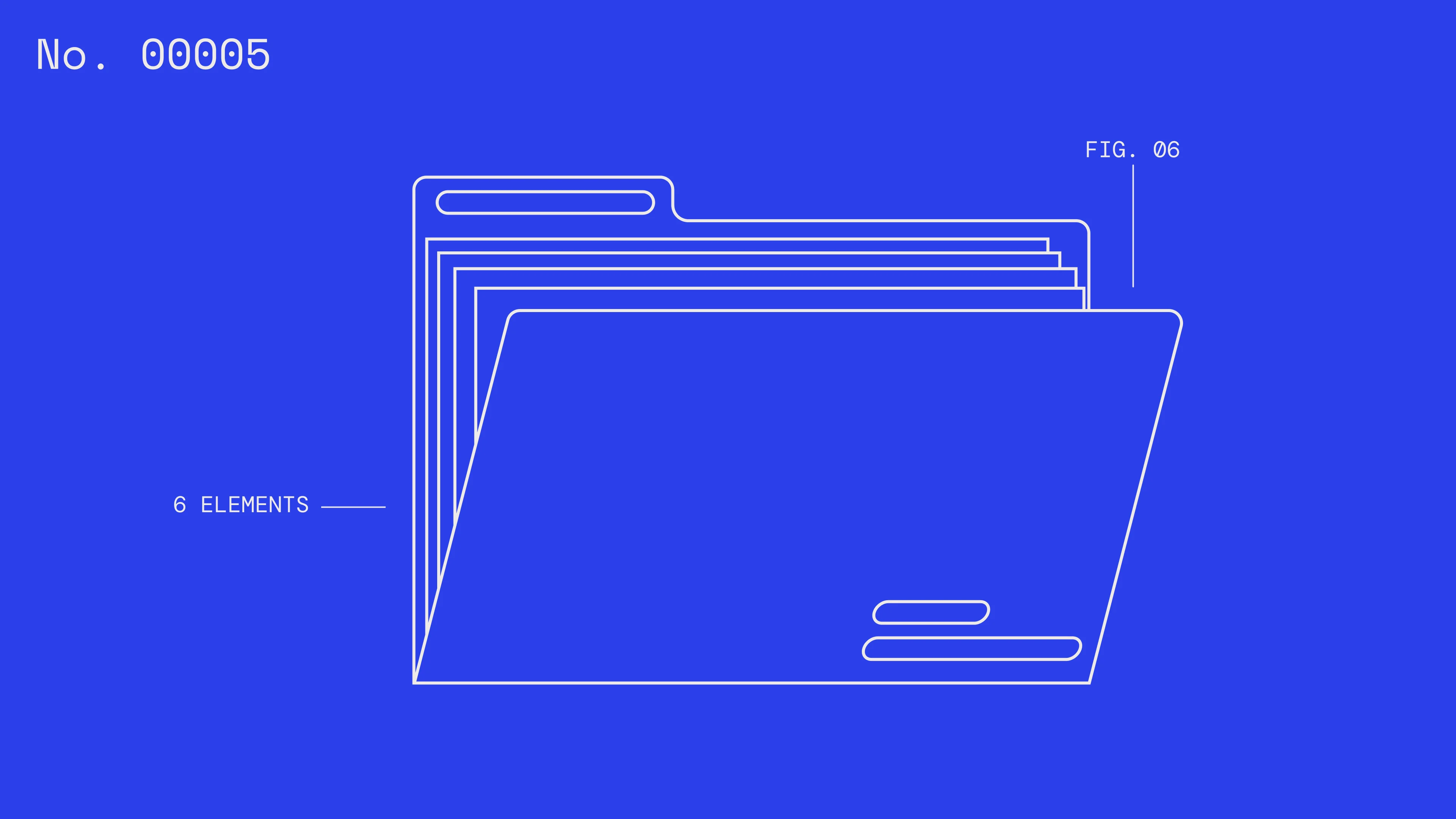
Good branding isn't 100 rules in a massive PDF that nobody knows how to apply and falls apart the moment it hits a real touchpoint. An effective MVB requires just six foundational elements that work together to create brand clarity and consistency:
- Your brand purpose and mission articulate why your brand exists beyond generating profit. This becomes the north star that guides every subsequent brand decision.
- Core values define the principles that guide your decisions and behavior. They tell both your team and customers, "This is the way we do things around here." Limit yourself to three or four values that genuinely differentiate your approach.
- Target audience definition goes beyond demographics to describe who you serve and their key characteristics. Focus on needs, motivations, and the problems you solve rather than surface-level attributes.
- Your value proposition and differentiators communicate what you offer and why it matters. This clarity helps customers understand your relevance immediately, cutting through market noise to establish your unique positioning.
- Brand name and messaging include how you communicate verbally across all channels: your tagline, key messages, and voice guidelines that ensure consistent communication.
- Basic visual identity covers the essential visual elements needed for recognition. A logo, colors, typography, and imagery. These elements must be simple enough to execute consistently across all priority touchpoints.
Why MVB makes strategic sense
The strategic rationale for an MVB centers on smart resource allocation during periods of maximum uncertainty. Ninety-two percent of startups fail in their first three years, many because they built products nobody wants. The same principle applies to branding, as investing heavily in comprehensive brand systems before validating your market position risks misaligned messaging, wasted resources, and costly rebranding as your understanding evolves.
An MVB allows you to enter the market faster, test brand positioning with real customers, and avoid perfectionism paralysis. This leaner model helps you gather and analyze early data to work out kinks before your company's identity has solidified.
Key advantages
The MVB approach delivers strategic benefits that directly support startup growth.
- Faster time to market in rapidly evolving industries where speed creates competitive advantage.
- Data-informed development by learning from real customer responses rather than assumptions.
- Flexibility for iteration during your most volatile growth phase, avoiding the lock-in that comes with comprehensive systems.
- Reduced upfront investment, keeping resources available for product development and customer acquisition.
- Establish competitive positioning early. Consistent branding increases revenue by 10 to 20 percent, even at minimum viable scale.
When does an MVB make sense?
An MVB makes strategic sense if you're in the early stages of your startup or planning to launch a new product or service. It serves as the cornerstone of your brand's identity for pitching to investors, marketing your business, and cultivating a customer base. Companies pivoting their business model or testing new market segments with a limited budget also benefit from this approach.
In contrast, full brand development becomes necessary when established companies undergo rebranding, when entering highly competitive or regulated industries, or when launching premium offerings where perception drives value.
Start building with intention
This isn't about polish, it's about clarity. The goal is to walk away with a clear internal compass that shapes how your brand looks, sounds, and shows up in the world. The brands that break through aren't always the ones with the biggest budgets, they're the ones with the clearest point of view, executed consistently across every touchpoint. An MVB gives you that clarity without the overhead that slows you down.
Contact us to start your brand or experience design project: https://greaterstudio.com/contact

table of contents
Want more like this?
Subscribe to stay in the loop.
More content
Learn about other things on our mind


.webp)



.svg)